Healing From Emotional Burnout: A Wilderness Reset for Women
By Antje Meyer • March 4, 2026

There is a particular kind of exhaustion that sleep does not fix.
You can go to bed early. You can cancel plans. You can take a weekend off. And yet, beneath the surface, something still feels frayed. Your patience is thinner. Your joy feels distant. Your body is tired, but your mind will not fully switch off.
This is emotional burnout — and it is becoming one of the defining mental health challenges facing modern women.
Over the past decade, conversations around women’s mental health have grown louder and more honest. We speak more openly about anxiety, depression, hormonal shifts, trauma, and stress. But burnout often hides in plain sight. It is normalised. Expected. Even quietly admired in high-achieving environments.
Yet more and more women are beginning to ask deeper questions. They are searching online for healing burnout retreats, for wilderness therapy for burnout, for nature healing for women. They are not looking for a quick fix. They are looking for restoration.
And increasingly, that restoration is being found not in boardrooms or wellness apps — but in the wild.

Understanding Emotional Burnout in Women
Burnout is often framed as a workplace issue. But emotional burnout is far more layered, especially for women who are navigating multiple roles simultaneously.
It is the quiet accumulation of:
- Professional pressure
- Emotional labour in relationships
- Caregiving responsibilities
- Societal expectations
- The internal drive to be everything for everyone
Many women are the emotional anchors in their families and workplaces. They anticipate needs. They smooth conflict. They carry invisible lists in their minds. They hold space for others, often without anyone holding space for them.
Over time, this constant output without adequate replenishment depletes the nervous system.
Emotional burnout can show up as:
- Chronic fatigue
- Brain fog
- Irritability
- Tearfulness
- Sleep disruption
- Loss of motivation
- Emotional numbness
- A feeling of being disconnected from yourself
One of the most painful aspects is the sense of losing your spark, the woman you once recognised.
Burnout does not mean you are incapable. It means you have been operating beyond sustainable capacity.
WHY REST ALONE IS NOT ENOUGH
When women first recognise burnout, they often try to “rest it away.” They take a few days off. They book a massage. They sleep in.
Rest is important. But burnout is not simply tiredness.
It is a dysregulated nervous system.
Modern life keeps many women in a prolonged state of low-level fight-or-flight activation. Emails, notifications, constant connectivity, social comparison, and performance metrics keep the body subtly braced.
Even during downtime, the nervous system often remains alert.
This is why interest in wilderness therapy for burnout and nature healing for women has grown so rapidly. Because healing burnout requires more than physical rest, it requires nervous system recalibration.
And nature offers something our digital environments cannot: biological coherence.
The Nervous System and the Power of Wilderness
To understand why wilderness immersion is so transformative, we must look at basic physiology.
When under stress, the sympathetic nervous system activates. Heart rate increases. Muscles tense. Cortisol rises. This response is essential for survival — but damaging when chronically engaged.
Nature provides consistent signals of safety.
Wide open landscapes allow the eyes to relax. Natural light regulates circadian rhythms. Rhythmic environmental sounds, wind through grass, distant bird calls all gently synchronise brainwave activity.
Research into forest bathing and nature immersion consistently shows:
- Reduced cortisol levels
- Lower blood pressure
- Improved mood
- Enhanced emotional regulation
- Improved cognitive clarity
In wilderness settings, the parasympathetic nervous system, responsible for rest and digestion becomes more active. The body begins to downshift. This is the biological foundation of nature healing for women.
But beyond physiology, there is something more subtle at work.
The Emotional Impact of Wildlife Immersion
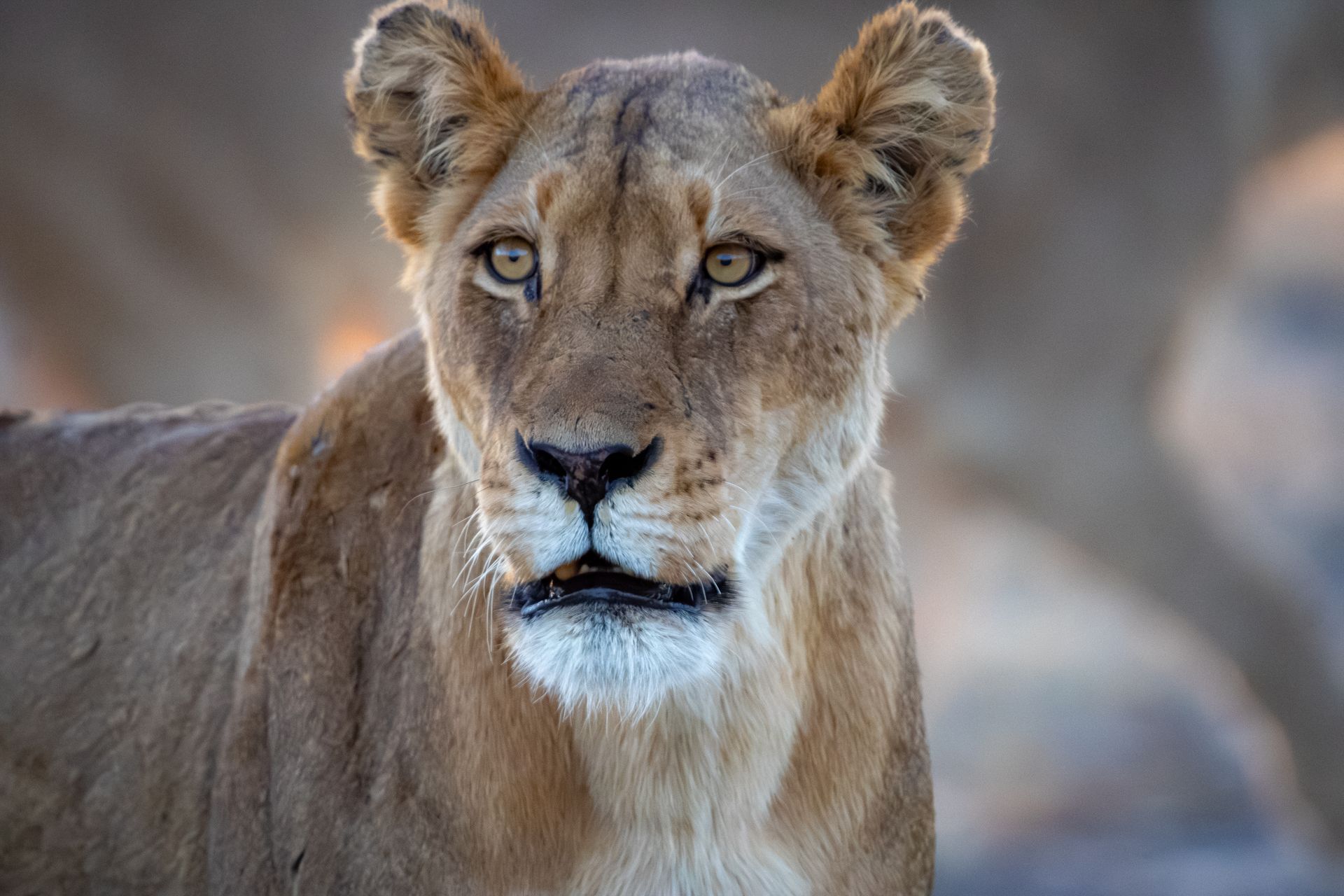
There is a profound psychological shift that occurs when observing wildlife in its natural habitat. Watching elephants move slowly across a riverbed. Listening to the distant call of a fish eagle. Seeing a lioness walk with effortless presence.
These experiences draw attention outward and away from rumination and internal pressure.
Wildlife does not perform. It does not rush. It does not apologise for its power.
Many women describe feeling a mirror effect. In witnessing wild animals living in alignment with instinct, they begin reflecting on where they have overridden their own.
Burnout often involves abandoning personal boundaries in service of obligation. Wilderness invites recalibration.
The bush does not demand productivity. It demands presence.
And presence is deeply regulating.

What Happens During a Healing Retreat?
A thoughtfully designed healing retreat in a wilderness setting is not about escapism. It is about structured restoration.
Unlike a typical holiday, these retreats integrate:
- Guided journaling
- Nervous system regulation techniques
- Breathwork
- Mindful wildlife drives
- Silent walking meditations
- Facilitated group sharing
- Coaching sessions
- Digital disconnection
The combination of environment and guided introspection creates powerful insight.
Within the first 24–48 hours, many women report:
- Deeper sleep
- Slower breathing
- Reduced anxiety
- Emotional release
- A sense of spaciousness
The constant internal dialogue begins to quiet. And in that quiet, clarity surfaces.
Burnout and Identity: Reclaiming the Self
Perhaps the most devastating effect of emotional burnout is the erosion of identity.
Women often say:
- “I don’t know who I am outside my responsibilities.”
- “I feel like I’ve disappeared.”
- “I’m functioning, but I’m not alive.”
In the wilderness, stripped of routine and role, something essential re-emerges.
Without external validation or comparison, women begin reconnecting to intrinsic qualities:
- Creativity
- Intuition
- Strength
- Vulnerability
- Desire
Time in nature encourages slower questioning:
- What do I actually want?
- Where have I overextended myself?
- What boundaries need reinforcing?
- What would my life look like at a sustainable pace?
These are not questions easily answered in busy environments. But under vast skies and ancient trees, they begin to feel possible.

The Healing Role of Community
Burnout often thrives in silence. Many women feel ashamed to admit exhaustion. They believe they should cope better. They compare themselves to others who appear to manage everything effortlessly.
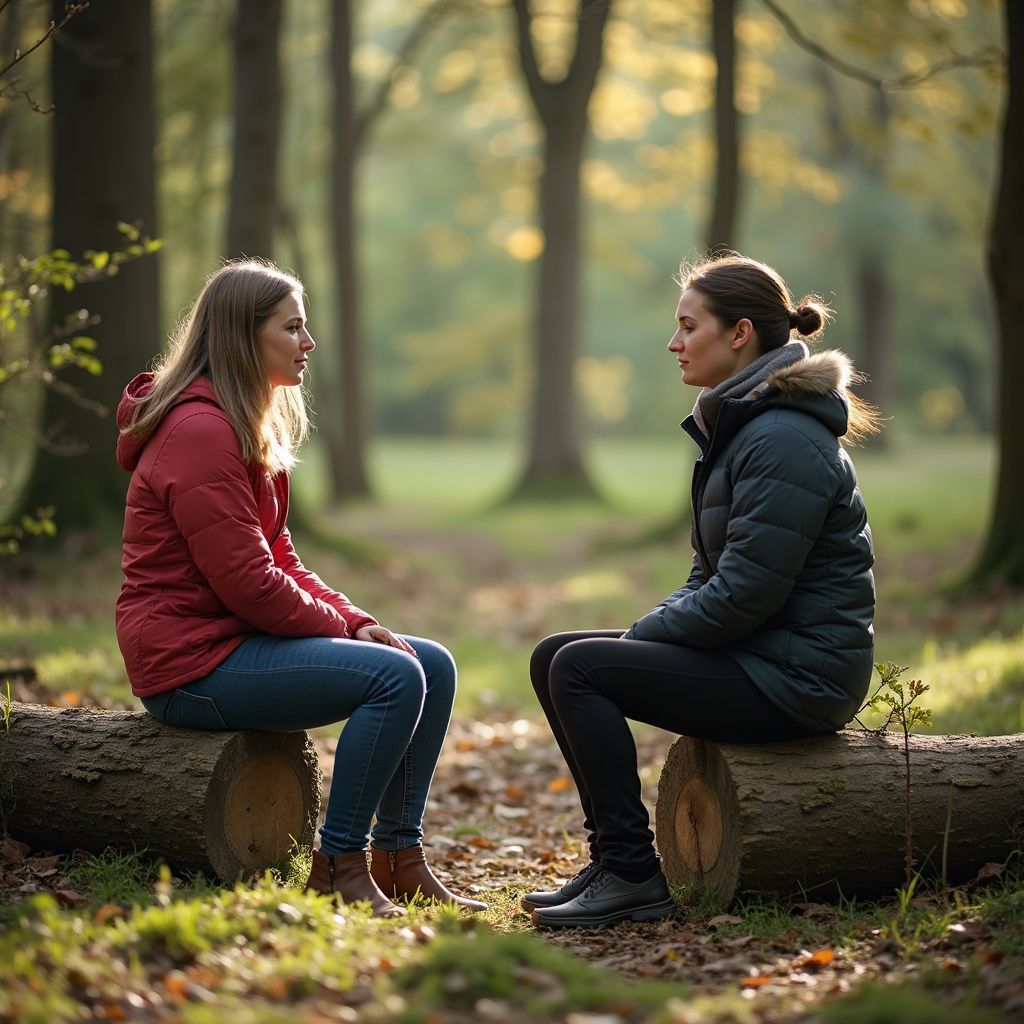
In women-centred wilderness retreats, vulnerability becomes normalised.
When one woman speaks about emotional depletion, others nod. When someone admits resentment, there is understanding rather than judgement. Shared experience dissolves isolation. Our community itself is regulating. Being witnessed without needing to perform reduces the internal pressure that fuels burnout.
This is why women searching for healing burnout retreats are often seeking not only rest but connection. Healing is amplified when you realise you are not alone.
The Long-Term Effects of Nature Healing for Women
A wilderness reset is not about temporary relief. Its power lies in recalibration.
Women often leave nature immersion with:
- Greater self-awareness
- Improved emotional regulation
- Renewed clarity around priorities
- A commitment to sustainable boundaries
- A softened relationship with themselves
The nervous system, once shown what true calm feels like, can recognise dysregulation sooner. This awareness allows women to adjust before burnout deepens again.
Many describe returning home with:
- Clearer communication in relationships
- Adjusted work expectations
- More consistent self-care rituals
- A refusal to ignore internal warning signs
The wilderness does not remove life’s responsibilities. It restores the internal capacity to meet them without self-abandonment.
Signs It May Be Time for a Wilderness Reset
If you are unsure whether burnout applies to you, consider the following:
- Do you feel constantly behind, even when you are not?
- Are you emotionally reactive to small stressors?
- Do you struggle to experience joy?
- Is your sleep restless despite exhaustion?
- Do you fantasise about disappearing for a while?
These are signals. Not failures. Signals that your system needs restoration.
If you find yourself searching for wilderness therapy for burnout or nature healing for women in, it may be your intuition guiding you toward something essential.
Coming Home to Yourself
In many traditional cultures, women retreated into nature during times of transition. To grieve. To seek clarity. To gather strength before re-entering community. Modern life has distanced us from these rituals. Yet the need remains.
If you are tired — deeply tired — know this: you are not broken. You are human. And somewhere beyond the noise of constant demand, the wilderness waits. Not to fix you.
But to remind you who you are when you are not performing.
In that remembering lies the beginning of restoration.
In that remembering lies the path back to yourself.

Sign up to my free monthly newsletter
Sign up to get insights, trends, and more in your inbox.
Contact Us
We will get back to you as soon as possible.
Please try again later.
Contact Us
We will get back to you as soon as possible.
Please try again later.
SHARE THIS